
Oily Wastewater Pretreatment at a Meat Processing Plant in Henan
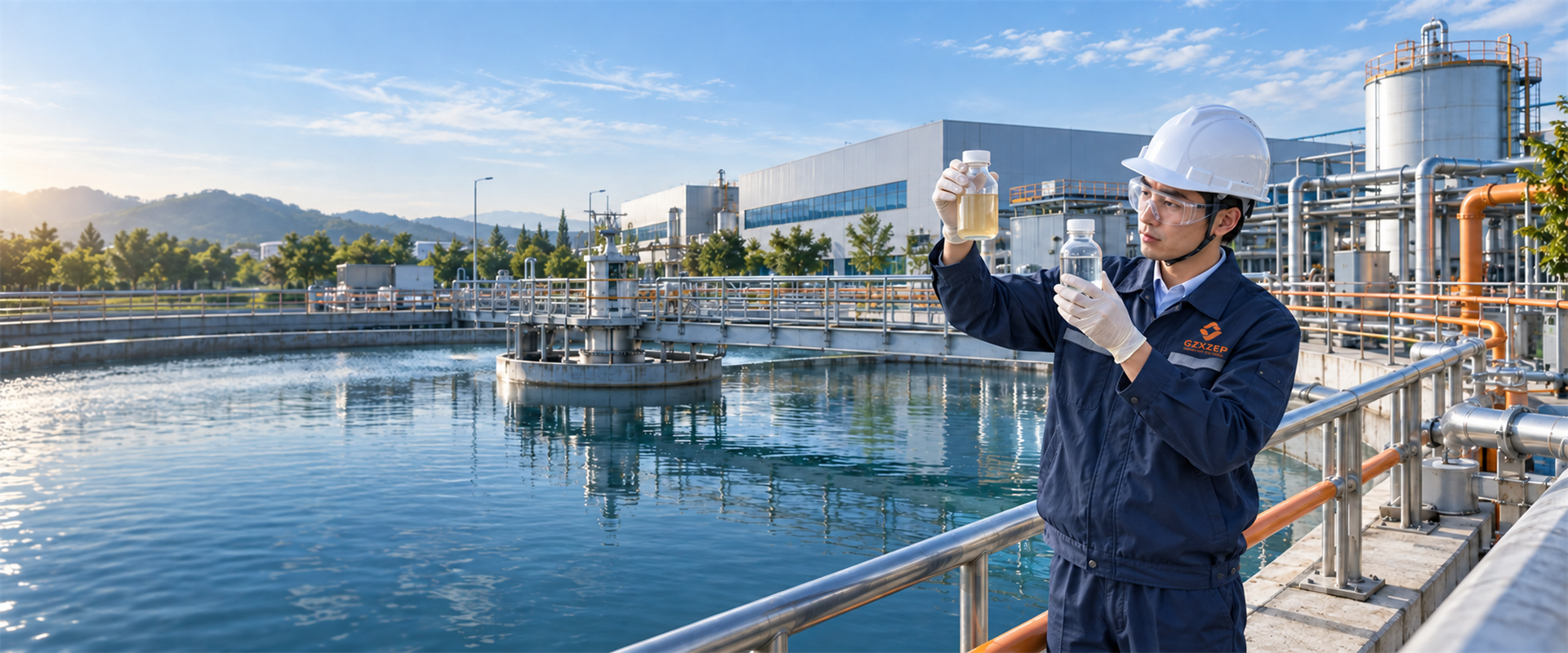
Project at a Glance. Wastewater was generated by meat thawing, sterilization and cleaning of production areas and equipment. The complete treatment train consisted of oil
Project at a Glance. Wastewater was generated by meat thawing, sterilization and cleaning of production areas and equipment. The complete treatment train consisted of oil

Project at a Glance. A metal products plant in Dongguan generated high-strength wastewater from aluminum and magnesium machining fluids. Treatment Approach. An emulsion breaker was

Project at a Glance. The steel mill generated two oily wastewater streams: a concentrated emulsion wastewater and a dilute alkaline wastewater stream associated with silicon-steel

Project at a Glance. The plant manufactured shampoo, conditioner and body-wash products. Cleaning of emulsification vessels, mixing tanks and reactors generated high-strength wastewater containing oil

Project at a Glance. A large textile dyeing plant in Foshan required an odor-control retrofit for mixed process odors. Treatment Approach. The source summary describes

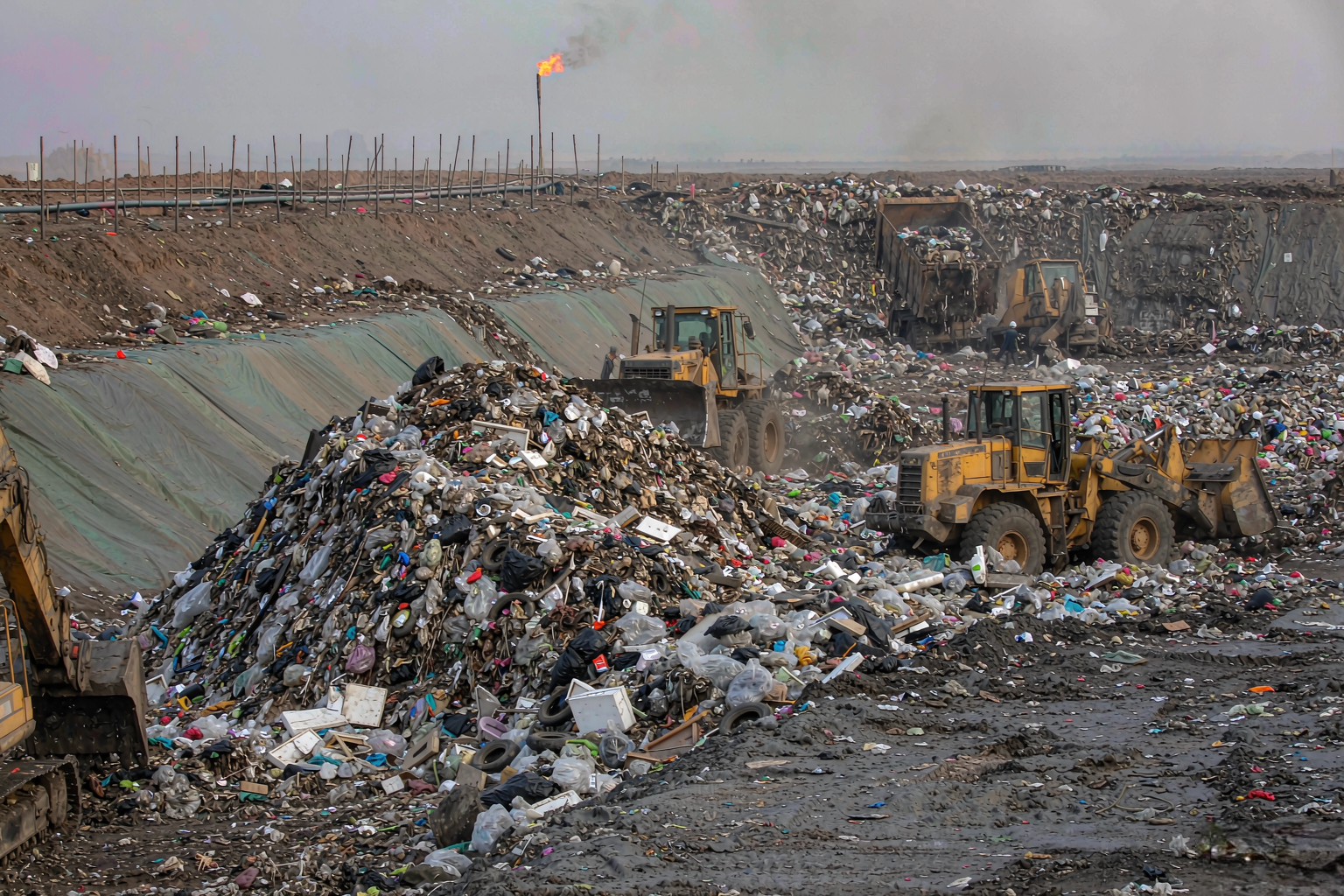
Project at a Glance. The municipal landfill in Guangdong handled an average of approximately 2,000 metric tons of waste per day and served 13 surrounding

Project at a Glance. A cement plant in an industrial park used recovered waste rubber as an alternative fuel. Odors from fuel storage, handling and

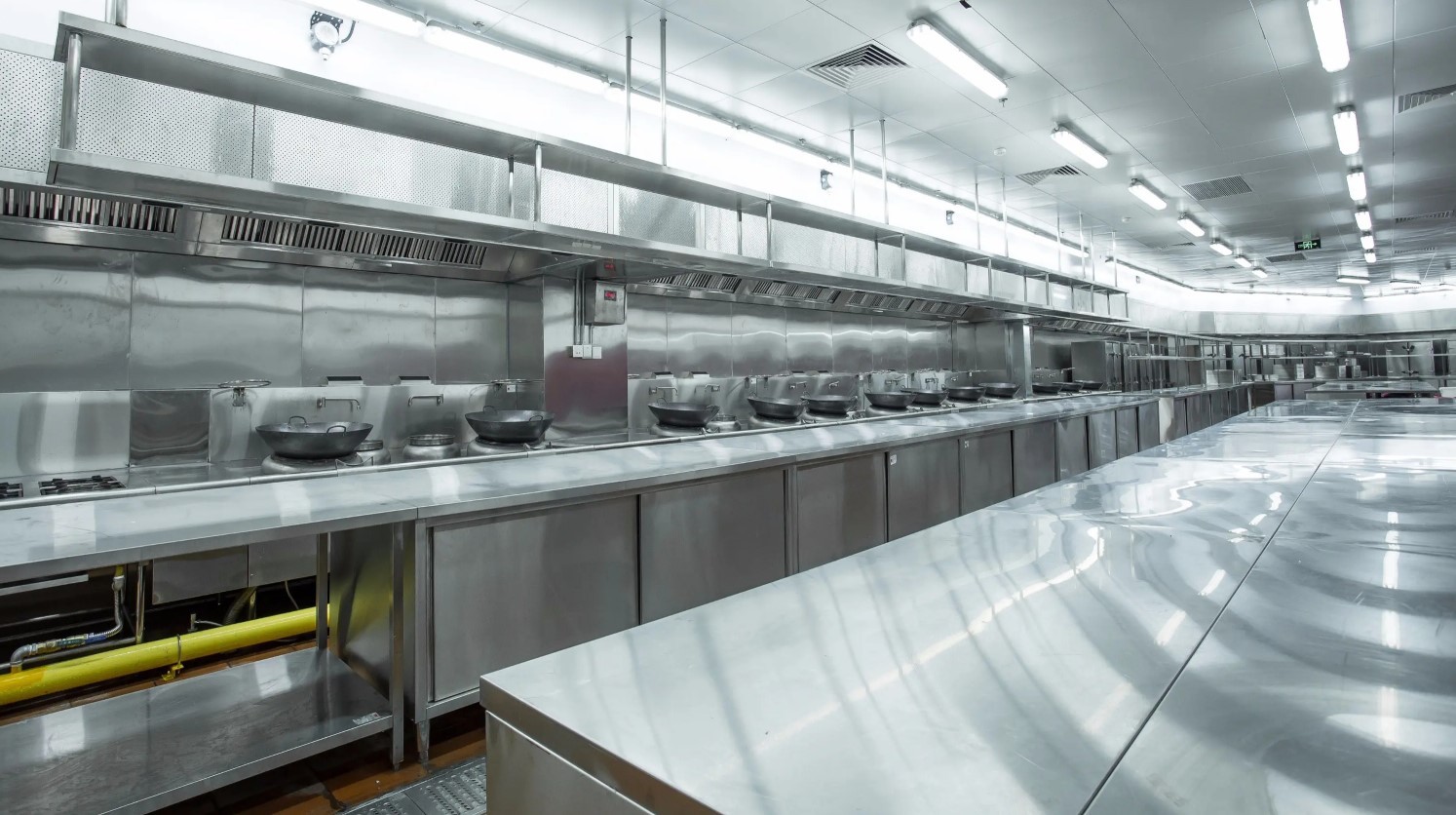
Project at a Glance. A large restaurant in Guangzhou collected kitchen exhaust through a central hood system. The exhaust first passed through an electrostatic oil

Project at a Glance. The plant produced traditional Chinese medicine preparations using a fermentation-based extraction process. Residual extraction wastewater was treated biologically using an A/A/O

Project at a Glance. The farm used an odor collection and treatment train consisting of recirculating sodium hypochlorite scrubbing followed by a recirculating odor-control wall.

Project at a Glance. A food-waste recycling facility in Guangzhou, Guangdong covers more than 9,000 m² and processes approximately 400 metric tons of source-separated food